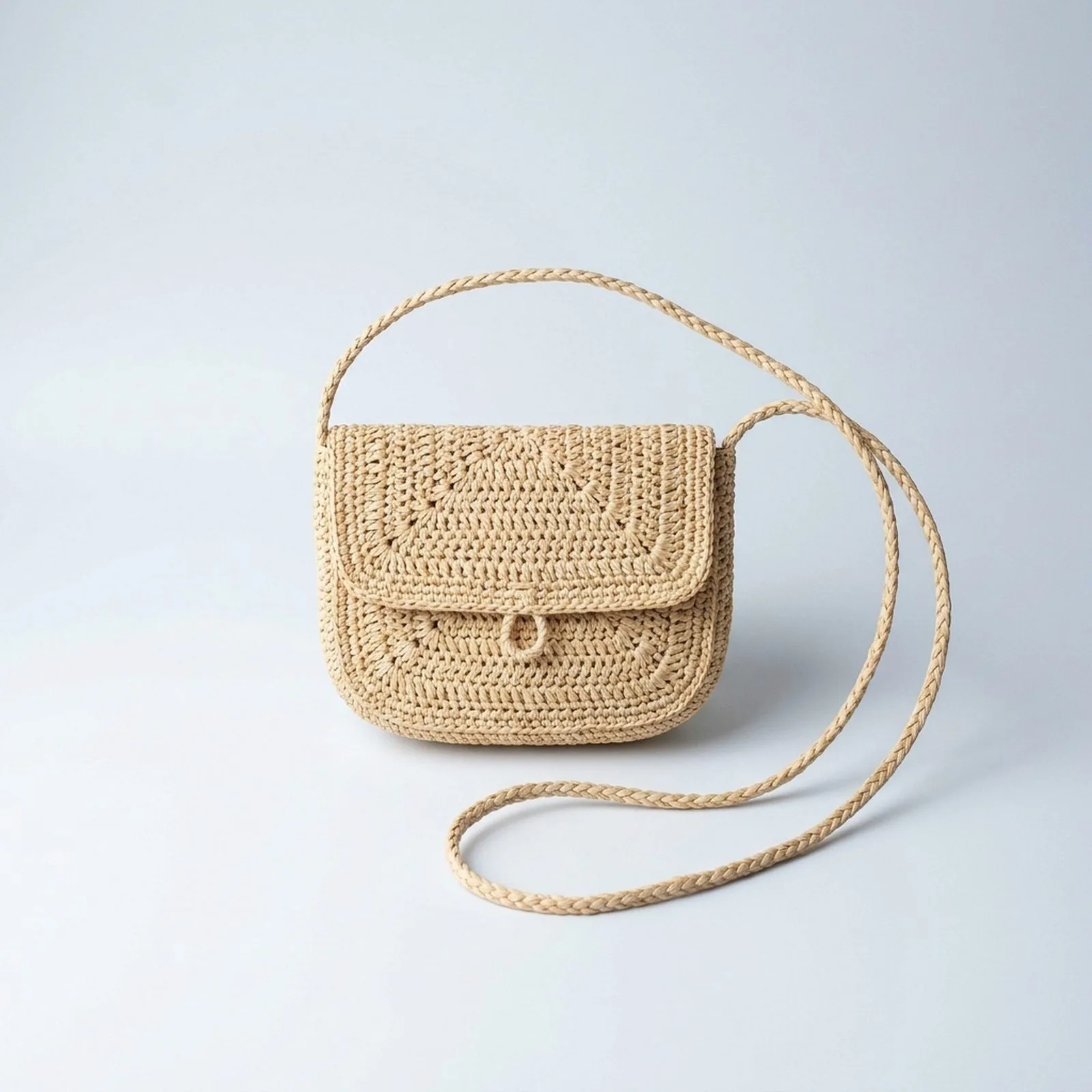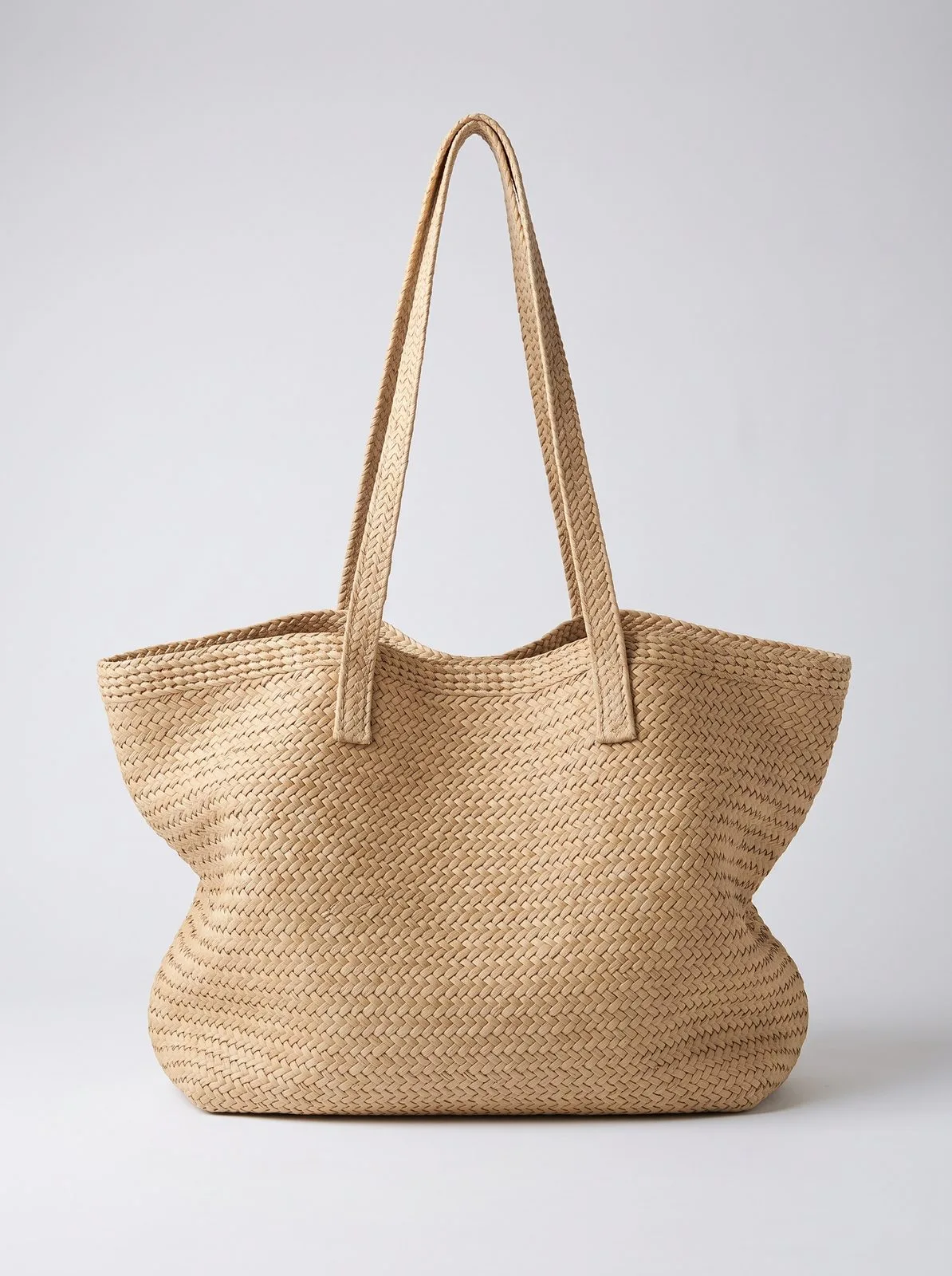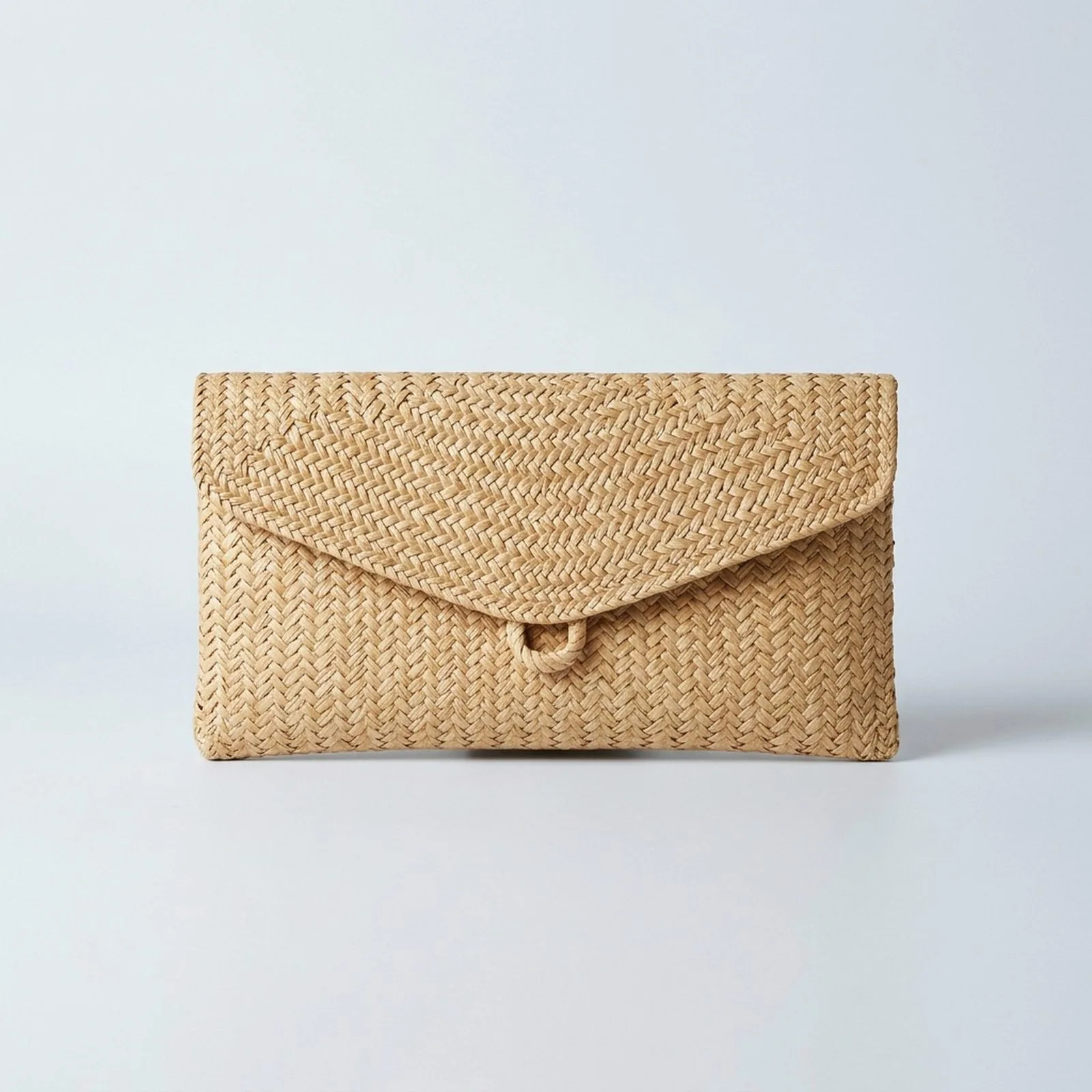
The two terms get used interchangeably, usually by whoever is selling one of them. They are not the same, and for a small brand the difference is not semantic. It decides whether your product can be copied by a competitor who calls the same workshop.
In our first calls, the question we hear most is "can you put my label on it?" — which is the white-label question.
The one-line test
The useful question is not who makes it. Both are made by someone else. Ask this instead: could another brand order exactly this, as-is, from the same workshop?
If yes, it is white label, whatever the label says. If the combination exists because you specified it, it is private label.
A stock tote in three colours is white label. The same tote in your colour, a heavier body, brass hardware and your lining is private label — even though nobody invented a new shape.
White label, precisely
A white label product already exists. It has a design, a specification and often a stock colour range. You buy it, apply your name, and sell it.
What you get is speed and a known cost. What you give up is the product itself: another boutique in the same city can order the same bag and put its own label on it. The only difference a customer can see is the name.
That is not automatically wrong. For corporate gifting, a conference tote, or a first season where you need stock on a shelf fast, it is a sensible route. It is a weak position to build a brand on, because the thing that would make a customer choose you is not in the product.
Private label, precisely
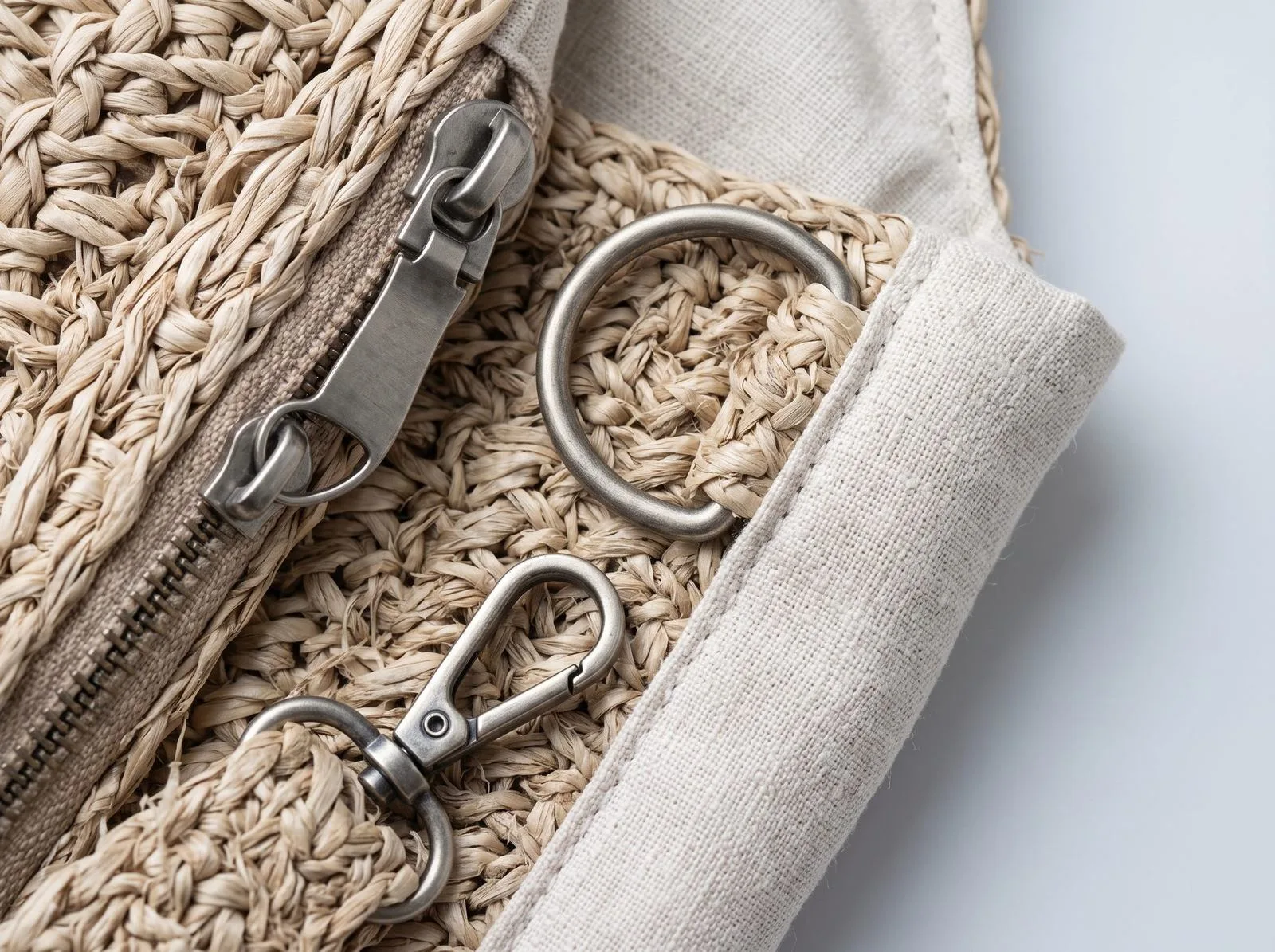
A private label product is made to a specification you set: fibre, structure, colour, hardware, lining, branding, packing. It can start from a structure we already build — that is normal, and it is usually faster. What makes it yours is the combination.
The minimum is lower than many first-time buyers assume. Our MOQ is 100 pcs per style. With synthetic or textile cord it is 100–300 pcs depending on the cord type.
The time is the real cost. Sampling runs 10–15 days, with one to two revision rounds at 5–7 days each, and bulk production 30–45 days — or 45–60 when custom dyeing or new tooling is involved.
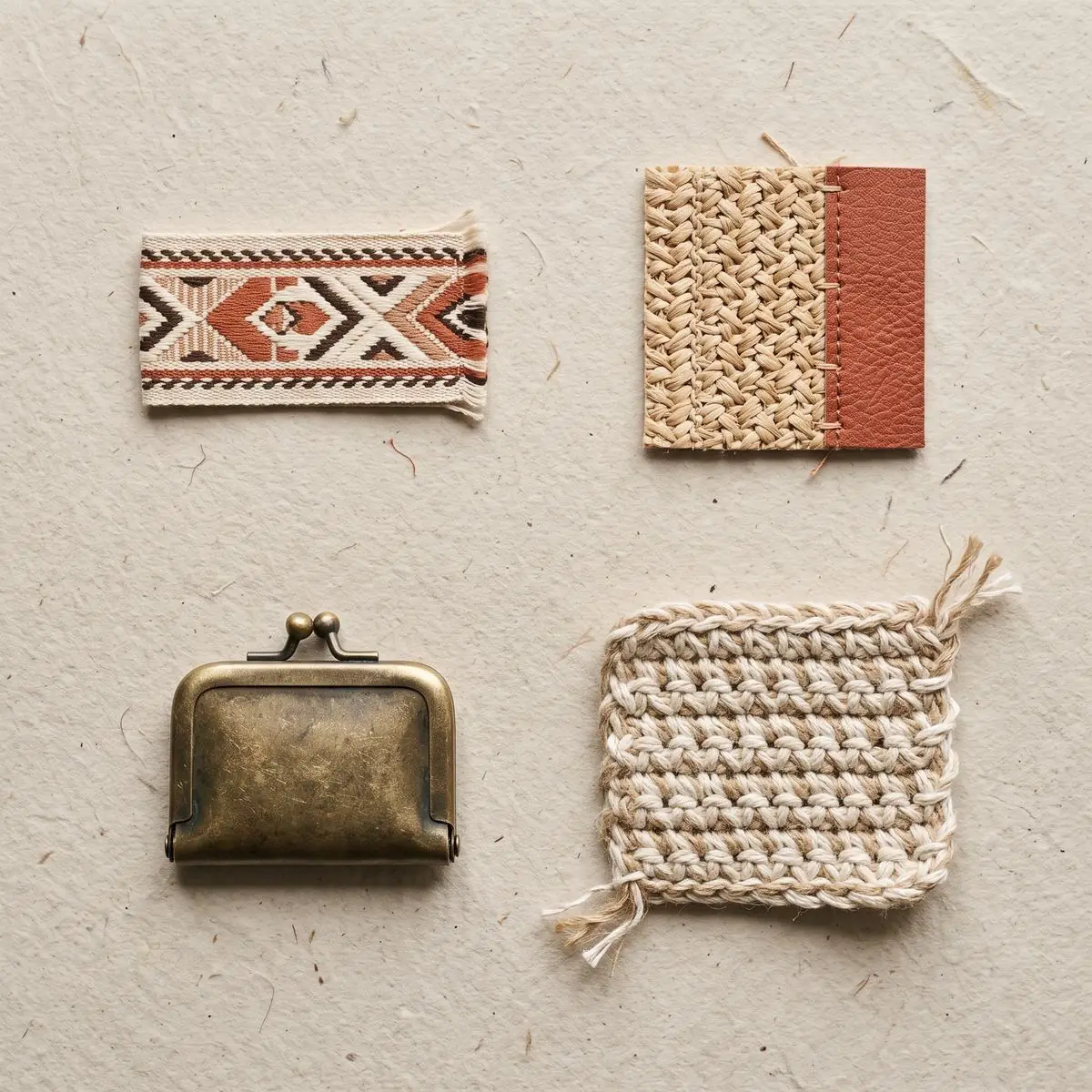 A private label body is a set of choices held together: tape, patch, hardware, lining. Change one and it is a different product.
The middle ground most brands actually use
Most small brands do not invent a silhouette. They take a structure that works and change the fibre, the colour, the lining, the hardware and the branding. By the test above that is private label, because nobody else can order that combination as-is.
A first order in this shape can look like four styles × 100 pcs × two price bands: 400 pieces across a range, with the opening price and the top price side by side. Compare that with 200 pieces of one silhouette, which is a single bet on a single shape.
| White label | Private label | |
|---|---|---|
| Who owns the design | The workshop or a third party | You, through the specification |
| What you specify | Your label and packing | Fibre, structure, colour, hardware, lining, branding, packing |
| Time before first shipment | Shortest — nothing is developed | Sampling 10–15 days, 1–2 revision rounds of 5–7 days, bulk 30–45 days |
| Minimum | As quoted on the stock item | 100 pcs/style; 100–300 for synthetic or textile cord |
| What repeats on reorder | The stock item, if it is still offered | Whatever you documented: colour card, fibre lot, spec sheet, signed sample |
| Where it fails | Two brands in one market sell the same bag | An incomplete brief, or decisions made after sampling |
What to put in the brief, either way
Five items, and the last two are the ones people forget.
- Fibre and colour, against a physical card rather than a screen
- Where your brand appears and at what size — label, patch, hardware, lining print
- Packing: hangtag, dust bag, gift box, carton label
- What will be identical on the next order, and what is allowed to vary
- What you take with you if you leave: the specification, the patterns, the artwork
On exclusivity and ownership, ask directly and get the answer in writing. A workshop that cannot offer exclusivity should say so rather than imply it. That answer belongs in the quotation, not in a conversation you have to remember six months later.
Where the distinction does not matter
If the product is genuinely interchangeable — a plain tote for a conference, a giveaway — white label is fine and speed matters more than ownership. If your differentiation is the marketing rather than the product, a private label spec will not save you; you will have paid to develop something you never tell anyone about.
The reverse is also true. Private label does not guarantee quality. It guarantees ownership. A precise white label specification, checked against a sample, can beat a vague private label one every time.
The commercial point
Private label costs more to set up and less to own. The set-up is paid once: sample costs are quoted per style and credited against the bulk invoice when the order reaches MOQ, so the money moves into the order rather than disappearing. White label is the reverse — nothing to set up, and nothing you hold.
For a brand whose only real asset is that customers prefer it, the second is not a bargain.
Common questions
- What is the difference between private label and white label?
- Private label is your design made under your brand. White label is an existing design with your branding added. The first needs development; the second starts from a finished shape.
- Which is cheaper?
- White label, because the pattern and sample already exist. Private label carries development time but gives you a shape you control.
- Can I mix both?
- Yes. Many brands run one developed hero style and fill the rest of the range with white-label shapes. Keep the specifications separate.
Private label sets out what can carry your brand across the range — printing, embroidery, woven labels, hardware, linings and packing. If the body itself needs to change rather than be branded, that is custom development. The fibre and structure decisions are covered in the material guide.
See the straw bags we currently produce in this range.