WEFTAVA's workshop is 2,000 m² in Houjie, Dongguan, and it is not laid out like a factory. A factory is organised around the machine. This one is organised around two facts no schedule can argue with: fibre has to dry, and colour has to be read in real light.
Everything else — where the benches sit, why some work happens near the windows, why so much material is hanging rather than moving — follows from those two.
Drying sets the floor plan
Fresh raffia holds about 40% moisture. A kilo of it yields 200–600 g of dried, workable strand, and 25–30% is lost before that point in grading and waste. Dyeing adds more water. All of it has to dry before it can be woven, and drying takes space, time and air movement.
The result is a workshop that always holds material in an intermediate state. On a busy week you will see more fibre hanging than bags being woven. Visitors read that as a slow week. It is the queue.
Throughput is bounded by drying capacity as much as by hands. Two workshops with the same bench count can have different capacity if one has half the drying area.
Colour is read in daylight
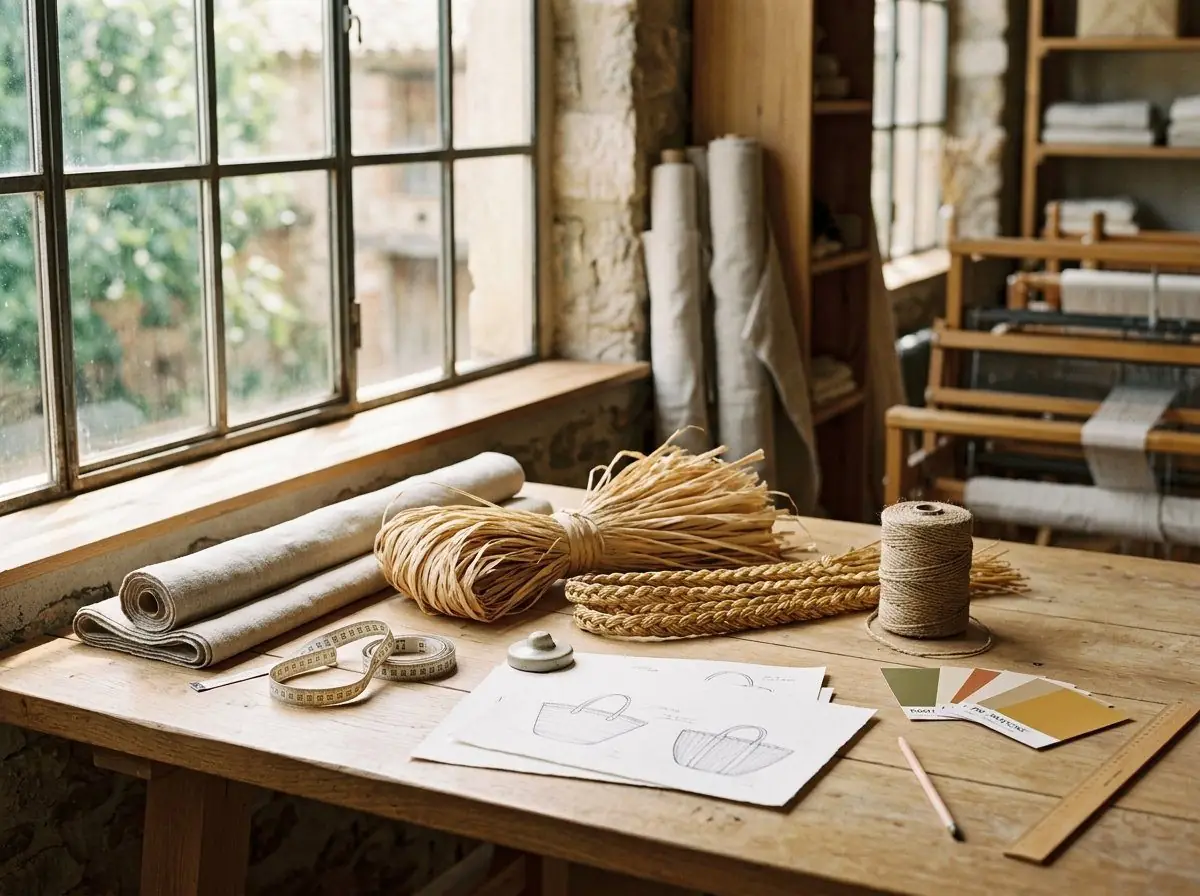
Batch dyeing here is small-batch, matched to a physical colour card rather than a screen. The same dyed strand looks different under office lighting; a colour matched under a fluorescent tube will not match the card under a window. That is why the colour work sits where daylight reaches it.
It is also why confirmation is a step, not a formality. Dye baths are replenished as they run, and a small batch can shift shade by the third or fourth run. Our acceptance standard is blunt: adjacent bags more than about 10% apart against the card are rejected.
A buyer who approves a colour from a phone photo has approved a photo.
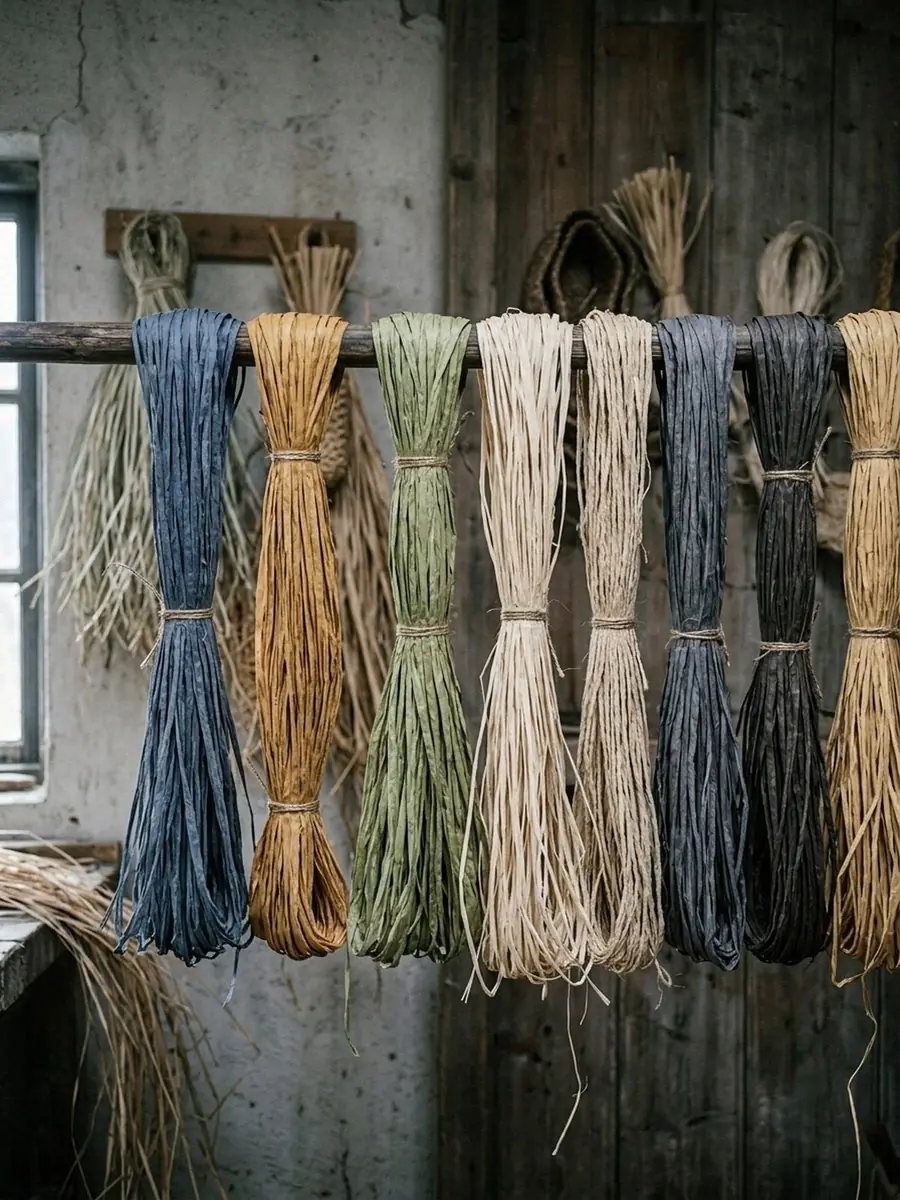 Batch dyeing against a physical card. Daylight is the reference, not the screen.
What sits where
Six zones, in the order the work moves. They are not sealed rooms; work in progress crosses between them. The first is unglamorous: bales opened, strands sorted by lot, weak fibre pulled out. This is where 25–30% of the raw weight leaves the process.
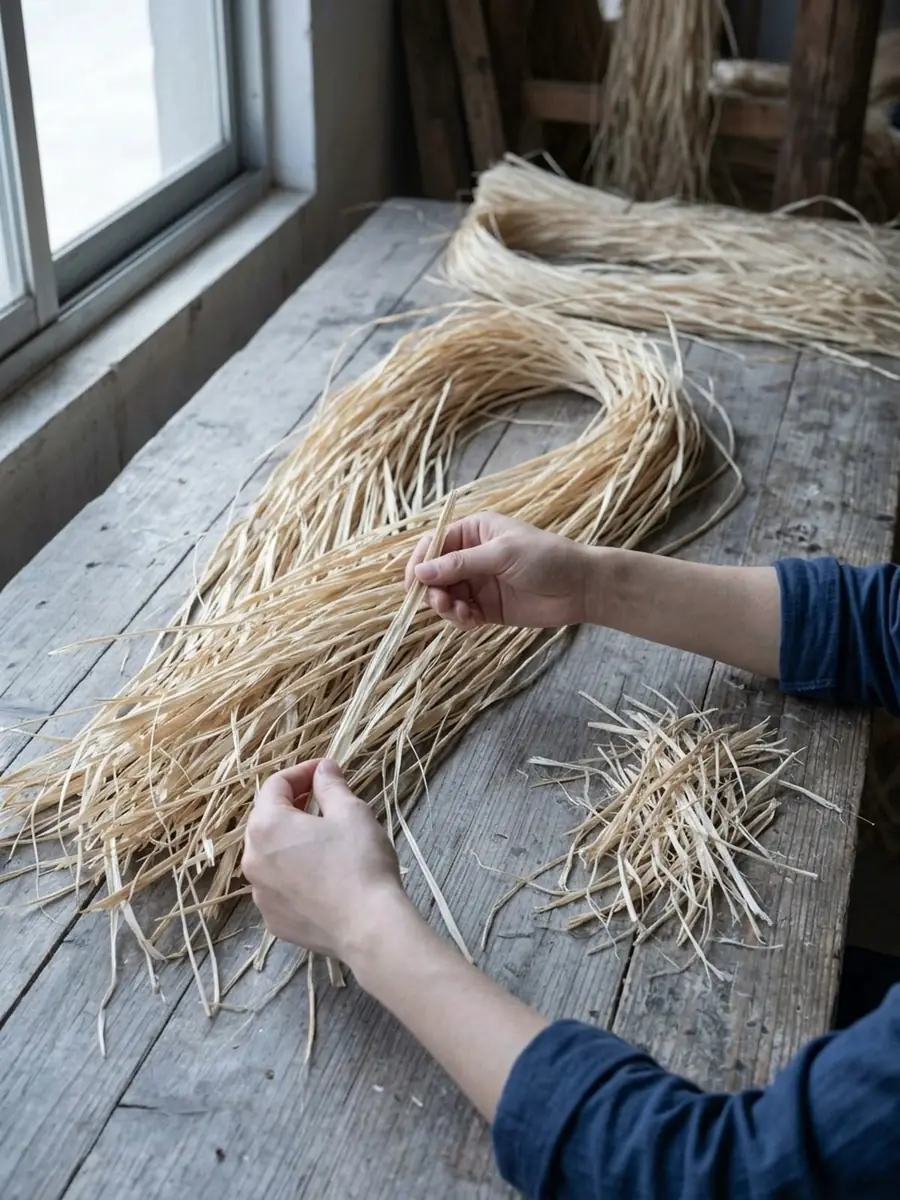 Incoming raffia and rattan, sorted and checked before it reaches a bench.
| Zone | What happens | What you would see | What to look for |
|---|---|---|---|
| Fibre intake and grading | Bales opened, strands sorted by lot, weak fibre removed | Piles by lot, tags, offcuts | Lots separated and labelled — not one undifferentiated pile |
| Dye and drying | Small batches matched to a physical card | Dyed fibre hanging, colour references attached | Dyed kept apart from undyed |
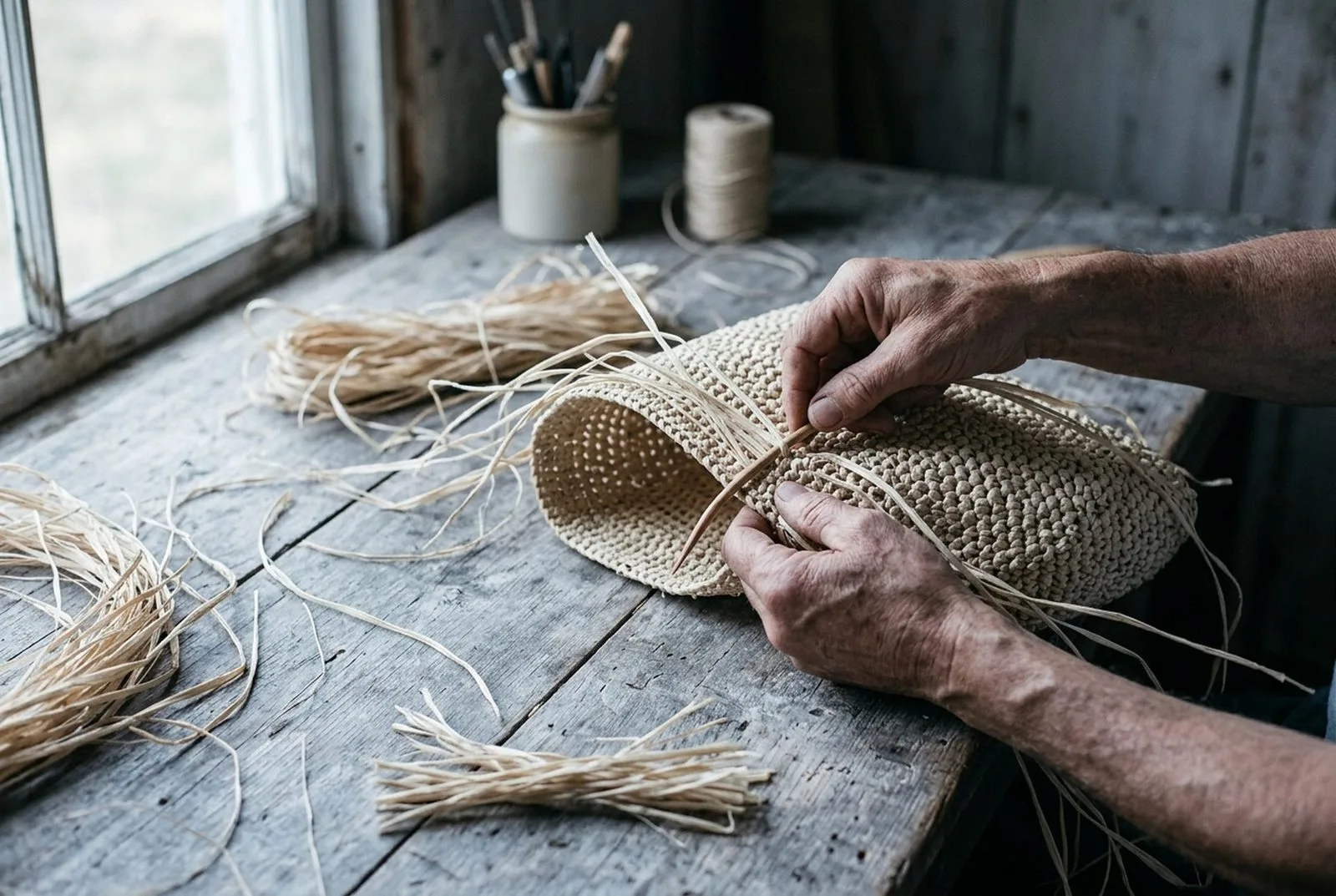
| Weaving benches | Bodies built by hand | Partly built bodies, some pinned to forms | A simple small bag is about 2 hours; a structured handbag around 20; fine crochet can pass 100 |
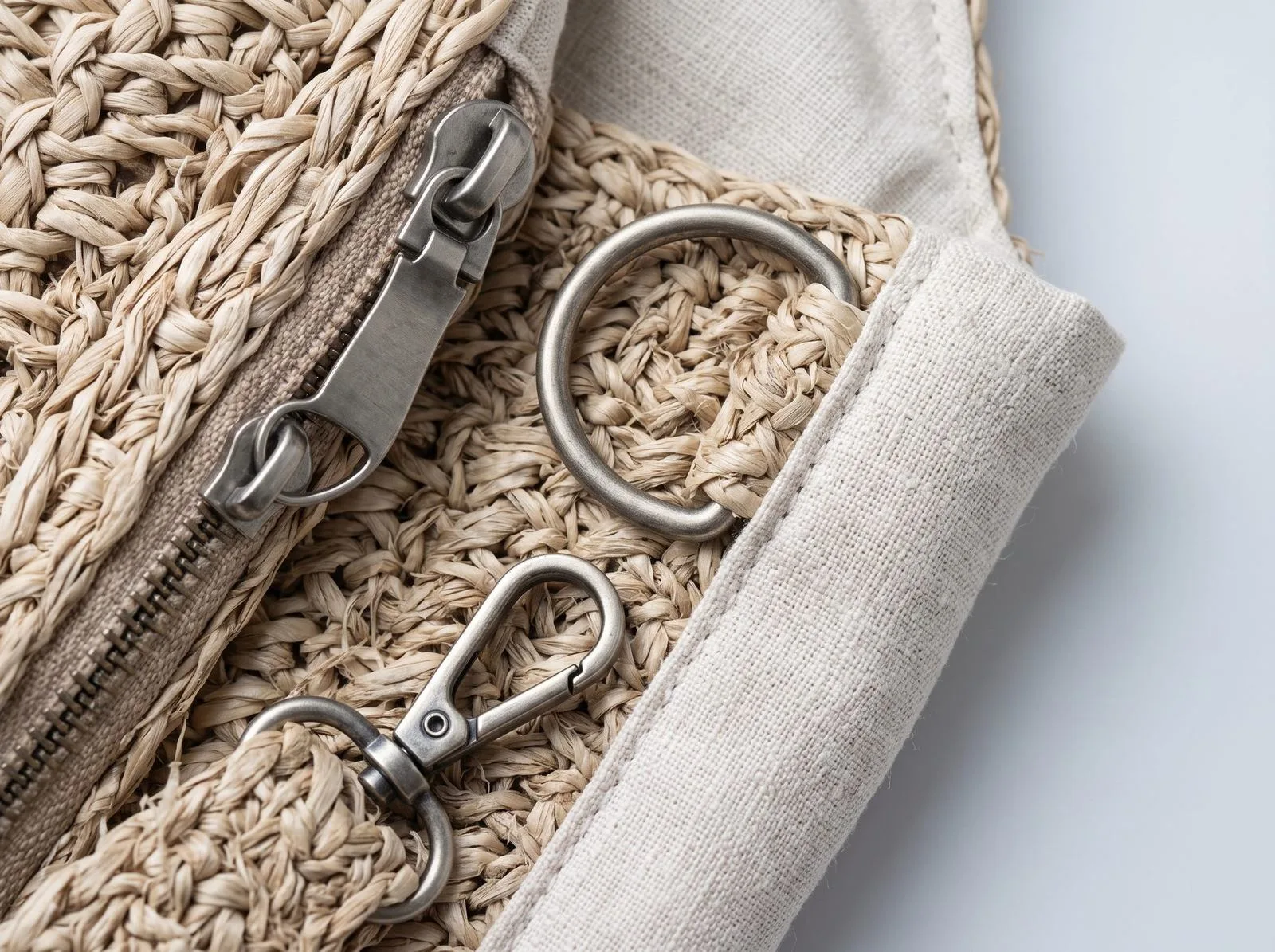
| Trimming and assembly | Edges aligned, handles set, lining fitted | Straight edges, calipers | 35 cm body ±2 cm; handle height ±1 cm; a handle that moves is a reject |
| Quality control | Six checks, piece by piece; final sampling of 5% of cartons, minimum 10 pcs | Check sheets, photos | A defect log with numbers, not adjectives |
| Packing | Individual poly bag, moisture barrier, double-wall carton | Cartons taped and labelled | Carton label matches the order and the destination |
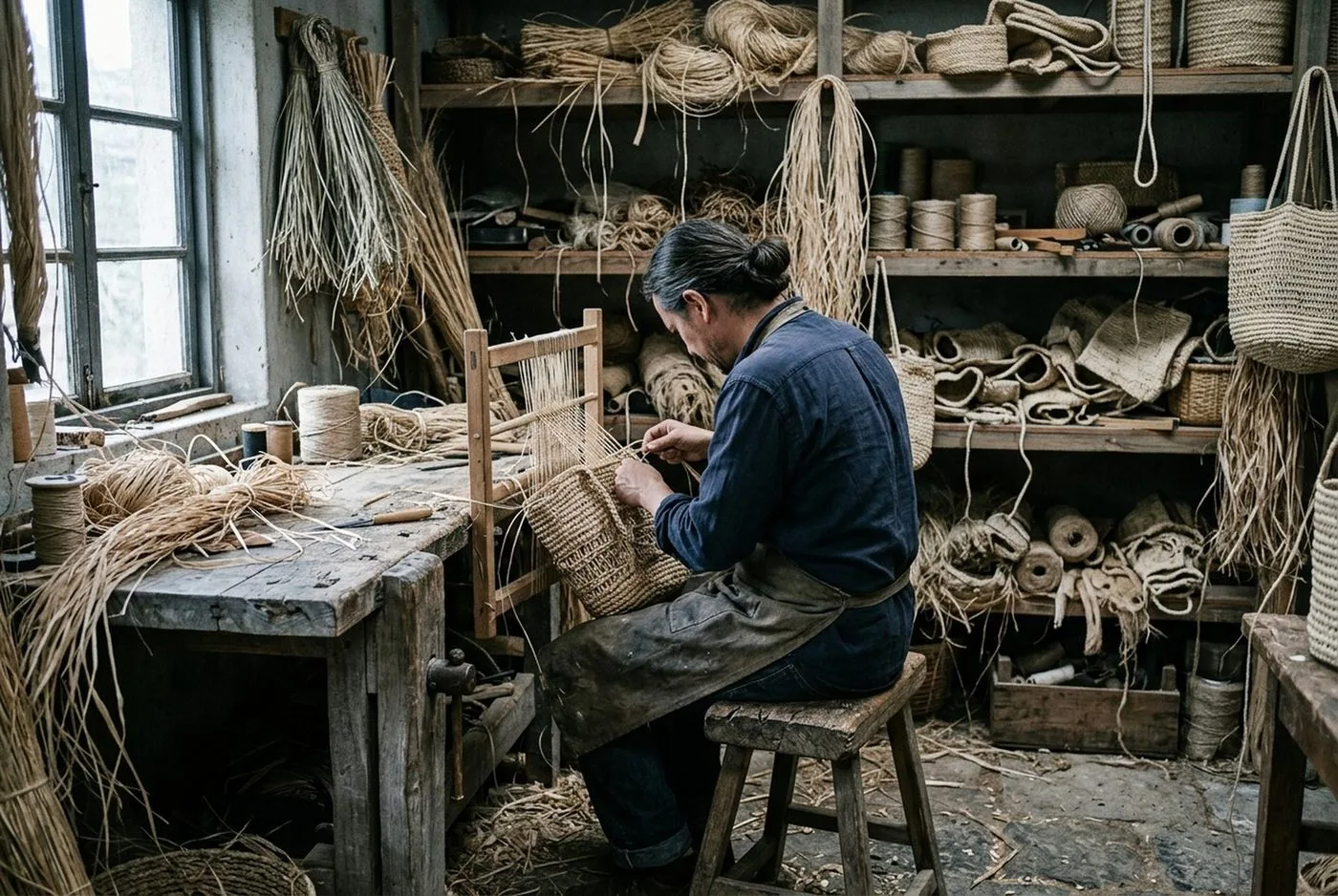 The weaving and assembly benches. Work in progress stays tied to a lot and an order.
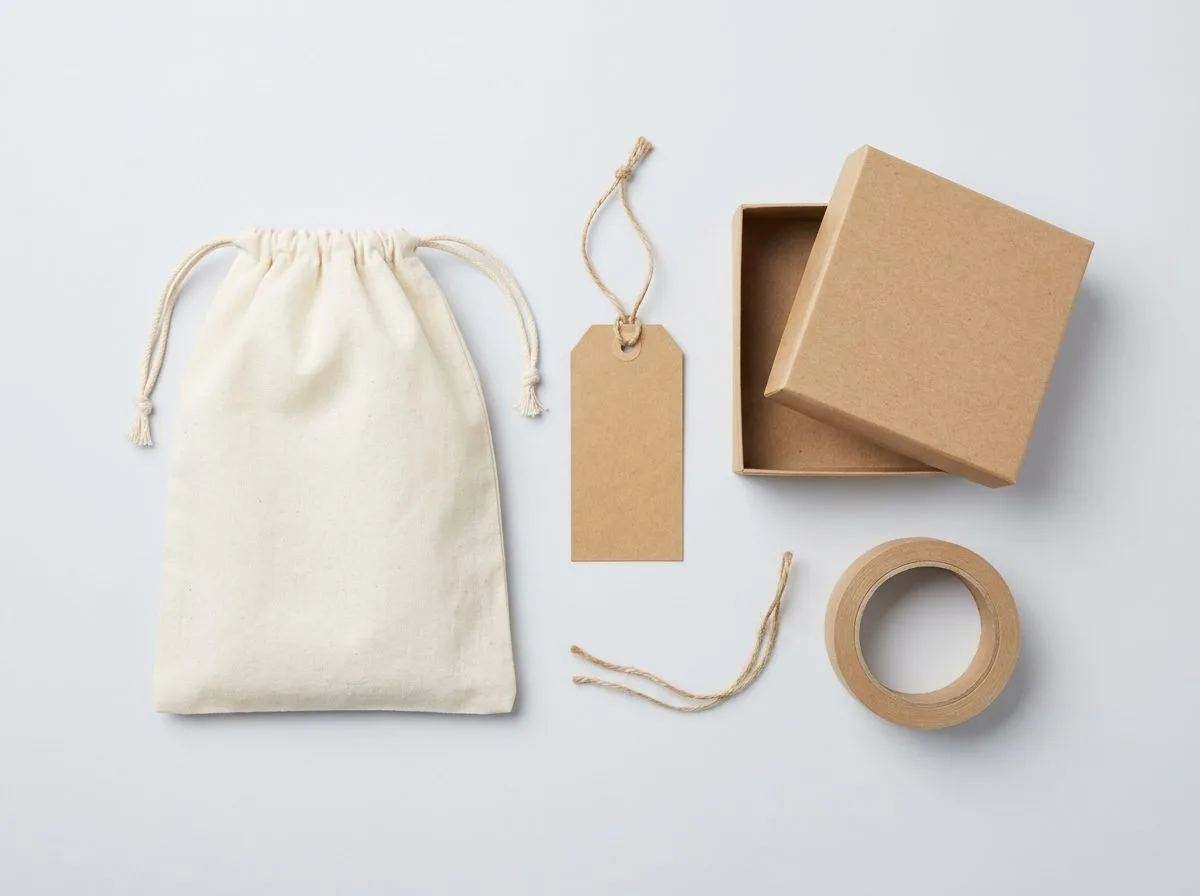
Packing has its own zone because it is where a season of work is either protected or lost: individual poly bag inside a moisture barrier, double-wall cartons, and a label that matches what is inside as well as where it is going. A carton that is right for the goods and wrong for the label is still a problem.
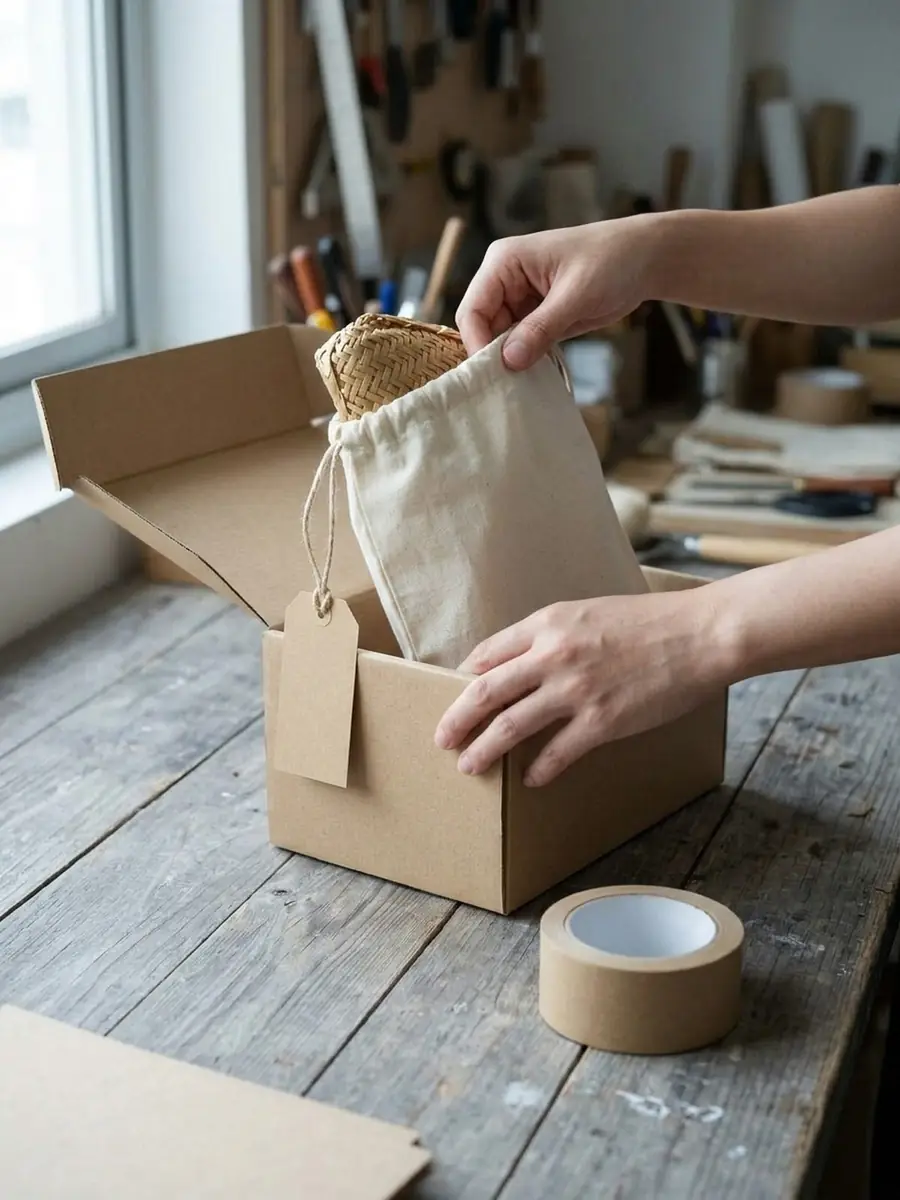 Finished goods packed for export. The label on the outside is checked against the order inside.
What a visit can tell you
Finished bags are the least useful thing to look at; you have already seen them in photographs. Look at four things instead.
- The fibre store. Material separated by lot and labelled, or one undifferentiated pile.
- The drying area. Dyed fibre kept apart from undyed, and labelled with its colour reference.
- The colour bench. A card in use, not framed on a wall.
- Work in progress. A partly built body you can trace to a single order and a single lot.
None of this needs technical knowledge. It tells you whether the workshop tracks what it is making, which is the difference between a first order and a repeatable one. A tidy workshop can fail all four; a busy one can pass.
When the layout stops mattering
For a single-colour tote in a colour we already run, neither drying nor daylight is the binding constraint — the bench is. The layout matters most when an order carries a new colour in a new structure, because then dyeing, drying, sampling and the bench all bind at once, and a fortnight lost at the dye bath is a fortnight lost at the end.
If the order is simple, ask about the bench. If it is not, ask about both.
Common questions
- What does a handwoven bag workshop look like?
- Drying racks come first, then colour checked in daylight, then separate zones for weaving, assembly and packing. The layout is set by how the fibre behaves rather than by a machine line, which is why a visit tells you more than a photograph.
- Can buyers visit the workshop?
- Yes, by appointment with two weeks' notice. A visit covers sampling, weaving and the final inspection area. Email info@weftava.com to arrange a date.
- Where is the workshop?
- Houjie Town, Dongguan, Guangdong, China. Development, sampling and bulk production all run from the same site.
Arrange a visit if you want to see the zones in person. Wholesale covers how an order runs from brief to shipment, and custom development explains what changes when a colour and a structure are both new.
See the straw bags we currently produce in this range.